What may respond
External stains and general yellowing often respond better than some grey, developmental, medication-related, or trauma-related discoloration.

A brighter smile, planned around your teeth.
Professional whitening can lighten many natural tooth stains without changing tooth shape. An assessment helps identify the stain type, sensitivity risk, and any restorations that will not whiten.
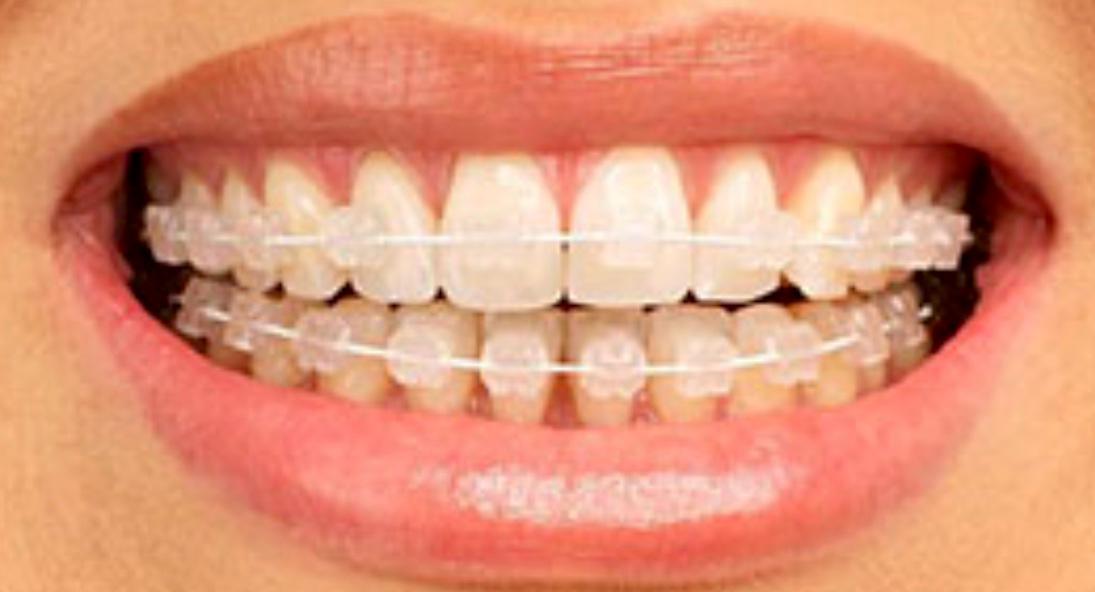
Whitening agents act on colour compounds within natural teeth. Results vary with the type and depth of discoloration, previous dental work, and the chosen technique.
External stains and general yellowing often respond better than some grey, developmental, medication-related, or trauma-related discoloration.
Crowns, veneers, fillings, and bonding do not change colour like natural enamel. Visible restorations may need separate shade planning.
Temporary sensitivity can occur. Existing sensitivity, gum recession, decay, cracks, or leaking restorations should be reviewed before treatment.
Diet, tobacco, oral hygiene, stain exposure, and occasional maintenance influence how long the brighter shade remains.
A shade concern may come from surface stain, natural ageing, one dark tooth, or restorations that no longer match.
Teeth whitening is used to improve the shade of teeth affected by external staining, dullness, or aesthetic concerns when the tooth structure itself is otherwise healthy.
Existing stain type, restorations, and sensitivity risk are reviewed.
The teeth may be cleaned first for more predictable whitening planning.
Professional whitening is carried out according to the selected approach.
Post-treatment shade and maintenance guidance are discussed.

Dr. Disha Sanghvi, B.D.S. (MUM), Gold Medalist, begins with diagnosis and a discussion of what you want to improve. Treatment is recommended only after the health of the teeth, gums, bite, and long-term maintenance needs are considered.
This page provides general patient information and does not replace an examination, diagnosis, or individual treatment advice.
Dr. Tripti shares her personal whitening experience at InstaSmiles Dental. Sensitivity and shade response differ between patients.
It felt like I was doing a teeth spa.
Whitening can be considered during a shorter visit when teeth and gums are healthy, but sensitivity, visible restorations, and the cause of discoloration should be reviewed first.
Mention sensitivity, visible crowns or fillings, recent dental work, and whether whitening is part of a larger veneer, bonding, or smile-makeover plan.
The technique and timing depend on stain type and sensitivity risk. Whitening may need to happen before new visible restorations so shade planning remains coordinated.
Follow stain and sensitivity guidance, and understand that crowns, veneers, fillings, and bonding will not whiten in the same way as natural teeth.
Final treatment, fees, appointment count, healing time, and fitness to travel can only be confirmed after appropriate clinical and imaging assessment. Outcomes vary by diagnosis and individual healing.
Since I have come back, I have not stopped getting compliments.
Patient stories describe individual experiences and do not guarantee another patient’s treatment or result.
Patients are guided on managing stain-causing habits, sensitivity if present, and how whitening fits into future cosmetic planning if more changes are desired.
Good oral hygiene, sensible stain habits, and maintenance only when appropriate help preserve the result. New or persistent sensitivity should be reviewed.